
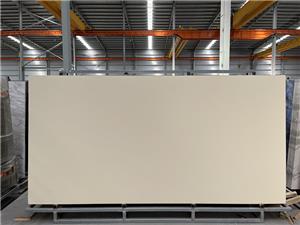
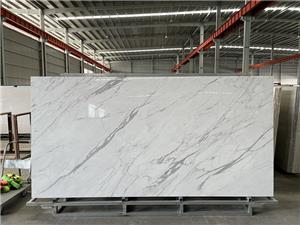
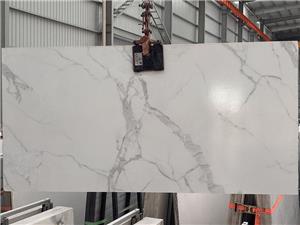
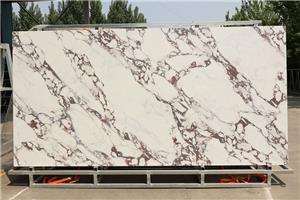
첫 주문은 괜찮아 보입니다. 하지만 추가 주문이 필요할 때는 어떻게 해야 할까요?
다음 주문에 실제로 사용할 수 있도록 기록을 보관하세요.
가장 유용한 연속성 기록은 반드시 가장 큰 기록이 아닙니다. 나중에 다른 구매팀이나 생산팀이 이해할 수 있는 기록입니다.
구매자는 승인된 샘플 정보, 생산 참조 번호, 마감 처리, 치수 및 관련 시각적 기록과 함께 원래 제품 코드 및 사양을 보존하고자 할 수 있습니다. 해당되는 경우, 최초 주문, 검사 및 배송 기록은 추가적인 맥락 정보를 제공할 수 있습니다.
이는 다음 주문이 몇 달 또는 몇 년 후에 이루어질 때 특히 유용합니다.재고 보충을 담당하는 사람이 최초 샘플을 승인한 사람이 아닐 수도 있습니다. 공급업체 담당자가 변경되었을 수도 있고, 원래 샘플이 폐기되었을 수도 있습니다. 프로젝트가 설계 단계에서 조달 단계로, 그리고 설치 단계로 넘어갔을 수도 있습니다.문서화된 참조 자료는 기억에서 재구성해야 하는 정보의 양을 줄여줍니다.
또한 의사소통을 더욱 정확하게 할 수 있습니다. 구매자는 공급업체에게 "이전 제품과 동일하게 만들어 주세요"라고 요청하는 대신, 구체적인 기준을 제시하고 새로운 제품이 기존 제품과 어떻게 비교될지 공급업체에 확인을 요청할 수 있습니다.
제조업체에게 두 번째 질문할 때는 다른 질문을 하세요.
재주문 시 중요한 질문은 최초 공급업체 평가 시 묻는 질문과 정확히 일치하지 않습니다.
제조업체가 제품을 생산할 수 있는지 여부에만 집중하지 말고, 제조업체가 어떻게 문제를 처리하는지 살펴보세요.
반복성.질문에는 다음 내용이 포함될 수 있습니다:
이전에 공급된 제품을 원래 주문 기록에서 확인할 수 있습니까?
신제품이 기존 제품 및 참조 자료와 연결될 수 있습니까?
해당되는 경우, 생산 배치 또는 제조 참조 번호는 어떻게 기록됩니까?
공급업체에서 비교를 위해 최신 자재 이미지나 생산 참고 자료를 제공해 줄 수 있습니까?
원래 표면이 더 이상 생산되지 않으면 어떻게 될까요?
공급업체는 정상적인 생산 변동과 더 이상 상업적으로 비교할 수 없는 자재를 구분할 수 있습니까?
주문이 단계별로 진행되는 경우, 생산과 배송은 어떻게 조율해야 할까요?
구매자는 향후 재고 보충이나 교체를 위해 어떤 정보를 보관해야 할까요?
정확한 답변은 제조업체의 생산 및 문서화 시스템에 따라 달라집니다. 이러한 질문의 가치는 단순히 "동일한 제품"을 약속하는 것을 넘어 공급 연속성을 유지하기 위한 프로세스로 대화를 이끌어간다는 데 있습니다.
업계의 장기 공급업체 관리 지침에서는 반복 주문, 재고 보충 및 교체를 최초 주문에만 의존하기보다는 확립된 기준과 지속적인 소통을 통해 이점을 얻을 수 있는 문제로 간주하는 것이 일반적입니다.
원본 자료를 더 이상 구할 수 없을 때
구매자들이 간과하기 쉬운 또 다른 가능성이 있습니다. 바로 다음 주문 시점에 원래 재료를 구할 수 없을 수도 있다는 점입니다.
제품은 단종되거나, 성분이 변경되거나, 이름이 바뀌거나, 다른 디자인으로 대체되거나, 기타 사유로 더 이상 구할 수 없게 될 수 있습니다. 또한 원래 공급업체가 더 이상 해당 제품의 정확한 생산 참조 번호를 보유하지 않을 수도 있습니다.
그 시점에서 문제는 다음과 같이 바뀝니다.
반복 공급에게대체 소싱
.
구매자는 신제품이 의도된 용도에 충분히 호환되는지 여부를 판단해야 할 수 있습니다. 이때 기존 문서가 특히 유용하게 활용됩니다. 이전에 승인된 내용에 대한 명확한 기록이 없으면 교체 자재가 어떤 부분에서 일치해야 하는지 설명하기가 훨씬 어려워집니다.
눈에 잘 띄는 설치물의 경우, 교체품은 일반적인 카탈로그 이미지와 비교하기보다는 기존 표면과 비교하여 평가해야 할 수 있습니다.
유통업체나 제조업체의 경우, 단종된 제품은 재고 및 고객 서비스 문제를 야기할 수 있습니다. 문서화된 대체 제품 사양은 대체품을 신제품으로 취급해야 할지 아니면 기존 제품을 대체하는 옵션으로 취급해야 할지를 판단하는 데 도움이 될 수 있습니다.
연속성 요구 사항을 일찍 문서화할수록 나중에 결정을 내리기가 더 쉬워집니다.
첫 구매부터 지속성을 확보하세요
두 번째 주문을 계획하기 가장 좋은 시기는 첫 번째 주문이 완료되기 전입니다.
프로젝트, 제품 라인 또는 유통 프로그램에 향후 공급이 필요할 가능성이 있는 경우, 초기 구매량은 당장 필요한 양보다 많아야 합니다.
구매자는 어떤 특성이 일관되게 유지되어야 하는지 명확히 하고, 승인된 참조 자료를 확인하고, 관련 생산 정보를 보관하고, 향후 주문이 원래 재료와 어떻게 연결될 것인지 공급업체에 문의할 수 있습니다.
이는 모든 주문에 복잡한 품질 관리 시스템이 필요하다는 의미는 아닙니다. 문서화 수준은 상업적 위험도에 맞춰야 합니다.
일회성으로 눈에 잘 띄지 않는 용도의 경우, 일반적인 제품 사양 외에 특별히 필요한 사항은 없을 수 있습니다.
여러 단계로 진행되는 상업 프로젝트, 정기적인 가구 공급 프로그램, 유통업체 재고 관리 또는 교체가 잦은 설치 작업의 경우 훨씬 더 강력한 연속성 기록이 필요할 수 있습니다.
핵심은 이것을 결정하는 것입니다.
~ 전에
첫 번째 주문은 역사가 되었습니다.
일단 첫 번째 자재가 설치되거나 배포되면, 그 자재의 정확한 참조를 다시 만드는 것은 훨씬 더 어려워질 수 있습니다.진정한 시험은 첫 번째 명령 이후에 온다
첫 번째 출하가 성공적이었다는 것은 공급업체가 특정 시점에 특정 제품을 공급할 수 있음을 입증하는 것입니다.이는 나중에 중요해지는 질문에 자동으로 답을 주지는 않습니다.
동일한 승인된 자재를 비교 기준이 명확하게 제시되는 방식으로 다시 조달할 수 있습니까?이것이 바로 반복 구매 시 소결석 배치 일관성이 갖는 실질적인 의미입니다.
목표는 모든 생산 과정이 동일할 것이라고 가정하는 것이 아닙니다. 문서화된 기준을 마련하고, 연속성 요구 사항을 파악하며, 구매자와 제조업체 모두에게 향후 생산품을 평가할 수 있는 실질적인 방법을 제공하는 것입니다.
소결석을 반복적으로 구매하는 기업의 경우, 이러한 차이점은 프로젝트 조정, 재고 계획, 교체 결정 및 고객 기대치에 영향을 미칠 수 있습니다.
재주문 시에는 단순히 SKU를 반복하는 것이 아니라, 신규 생산품을 승인된 참조 제품에 다시 연결해야 합니다.
구매 결정 단계에서 지속성을 고려하면 첫 주문은 단순한 거래 완료 이상의 의미를 갖게 됩니다. 이는 이후 주문의 토대가 됩니다.
Visual continuity becomes more sensitive when the surface itself is part of the design statement.
Large-format applications, expressive veining, bookmatched surfaces, feature walls, and prominent islands can make differences between individual slabs more noticeable. Current design coverage continues to highlight large-format and highly expressive surfaces as important visual elements, increasing the practical value of planning the material relationship rather than treating each slab as an isolated unit.
For a relatively uniform surface, a modest difference between production periods may be difficult to notice in the completed application.
A strongly patterned surface can be different. The distribution, direction, density, or character of the pattern may affect how the new slab relates to an existing one.
This is why visual records can be valuable. Photographs of approved material, full-slab references where available, and documented product information can give the supplier a much better basis for discussing a later order than a product name alone.
The requirement is not to eliminate natural or manufacturing-related variation. It is to make the relevant variation visible and manageable before the material is committed to a new application.
Keep a Record That the Next Order Can Actually Use
The most useful continuity record is not necessarily the largest one. It is the one that another purchasing or production team can understand later.
A buyer may want to preserve the original product code and specification together with the approved sample information, production reference, finish, dimensions, and relevant visual records. Where applicable, records of the original order, inspection, and shipment can provide additional context.
This is particularly useful when the next order is placed months or years later.
The person managing the replenishment may not be the person who approved the first sample. The supplier contact may have changed. The original sample may have been discarded. A project may have moved from design to procurement to installation teams.
A documented reference reduces the amount of information that has to be reconstructed from memory.
It can also make communication more precise. Instead of asking a supplier to “match the previous material,” the buyer can provide a defined reference and ask the supplier to confirm how the new production will be compared with it.
Ask the Manufacturer a Different Question the Second Time Around
The questions that matter during a repeat order are not exactly the same as those asked during initial supplier evaluation.
Instead of focusing only on whether the manufacturer can produce the product, ask how the manufacturer handles repeatability.
Questions may include:
Can the previously supplied product be identified from the original order records?
Can the new production be connected to the original product and reference?
How are production batches or manufacturing references recorded, where applicable?
Can the supplier provide current material images or production references for comparison?
What happens if the original surface is no longer produced?
Can the supplier distinguish between a normal production variation and a material that is no longer commercially comparable?
If the order is phased, how should production and delivery be coordinated?
What information should the buyer retain for future replenishment or replacement?
The exact answers will depend on the manufacturer's production and documentation system. The value of these questions is that they move the conversation beyond a simple promise of “same product” toward a process for maintaining supply continuity.
Long-term supplier guidance in the industry also commonly treats repeat orders, replenishment, and replacement as issues that benefit from an established reference and ongoing communication rather than from the original order alone.
When the Original Material Is No Longer Available
There is another possibility that buyers sometimes overlook: the original material may not be available when the next order is placed.
A product can be discontinued, reformulated, renamed, replaced by another design, or otherwise become unavailable. The original supplier may also no longer carry the exact production reference.
At that point, the problem changes from repeat supply to replacement sourcing.
The buyer may need to determine whether a newer product is sufficiently compatible for the intended application. This is where the original documentation becomes particularly useful. Without a clear record of what was previously approved, it is much harder to explain what the replacement material needs to match.
For visible installations, the replacement may need to be evaluated against the existing surface rather than against a generic catalog image.
For distributors or manufacturers, a discontinued product can also create an inventory and customer-service issue. A documented alternative specification can help determine whether a substitute should be treated as a new product or as a replacement option.
The earlier the continuity requirement is documented, the easier this decision becomes later.
Build Continuity Into the First Purchase
The best time to plan for the second order is before the first one is finished.
If a project, product line, or distribution program is likely to require future supply, the initial purchase should establish more than the immediate quantity.
The buyer can clarify which characteristics must remain consistent, identify the approved reference, retain relevant production information, and ask the supplier how later orders will be connected to the original material.
This does not mean every order needs a complicated quality-control system. The level of documentation should match the commercial risk.
A one-time low-visibility application may require little beyond the normal product specification.
A multi-phase commercial project, recurring furniture program, distributor inventory, or replacement-sensitive installation may justify a much stronger continuity record.
The key is to decide this before the first order becomes history.
Once the first material has been installed or distributed, recreating its exact reference can be considerably more difficult.
The Real Test Comes After the First Order
A successful first shipment demonstrates that a supplier can deliver a particular product at a particular point in time.
It does not automatically answer the question that matters later:
Can the same approved material be sourced again with a clear basis for comparison?
That is the practical meaning of sintered stone batch consistency for repeat procurement.
The objective is not to assume that every production run will be identical. It is to establish a documented reference, understand the continuity requirement, and give both buyer and manufacturer a practical way to evaluate later production.
For businesses purchasing sintered stone repeatedly, that distinction can affect project coordination, inventory planning, replacement decisions, and customer expectations.
A repeat order should reconnect the new production to the approved reference rather than simply repeat the SKU.
When continuity is considered part of the original purchasing decision, the first order becomes more than a completed transaction. It becomes the foundation for the orders that may follow.
요구되는 사항은 자연적인 변동이나 제조 과정에서 발생하는 변동을 완전히 제거하는 것이 아닙니다. 오히려 해당 변동을 새로운 용도에 투입하기 전에 파악하고 관리할 수 있도록 하는 것입니다.